Nordic companies are moving from AI experiments to real business value. Here is how enterprise AI is changing operations, security and the way people work.
Real examples from Denmark, Finland, Sweden and Norway show how AI improves energy use, quality inspection, maintenance and material planning on the factory floor.
The EU AI Act's main rules apply now, the Digital Omnibus moved key deadlines, and only 3% of Nordic organisations feel fully prepared. Here is what it requires and what to do first.
How companies in Sweden, Norway, Denmark, Finland and Iceland can turn AI into real productivity, without losing the trust that makes them strong.
Nordic AI infrastructure is developing faster than the skills needed to use it. Here is which AI skills businesses need and practical ways to close the gap.
Architecting sovereign, sustainable, and low-latency data pipelines across Sweden, Norway, Denmark, and Finland under strict European regulatory frameworks.
Nordic businesses are moving beyond AI tools to Enterprise AI Agents that use company data, connect with business systems and complete real work alongside employees.
Nordic businesses lead Europe in AI adoption, yet regular employee use of generative AI remains low. Here is the gap between adopting AI and truly transforming work.
What AI consulting in Sweden looks like in 2026: market data, EU AI Act deadlines, real Swedish case studies, consultant rates and how to pick a partner.
What AI consulting means in the Danish market, which services consultants provide, how the EU AI Act and GDPR affect projects, and how to choose the right partner.
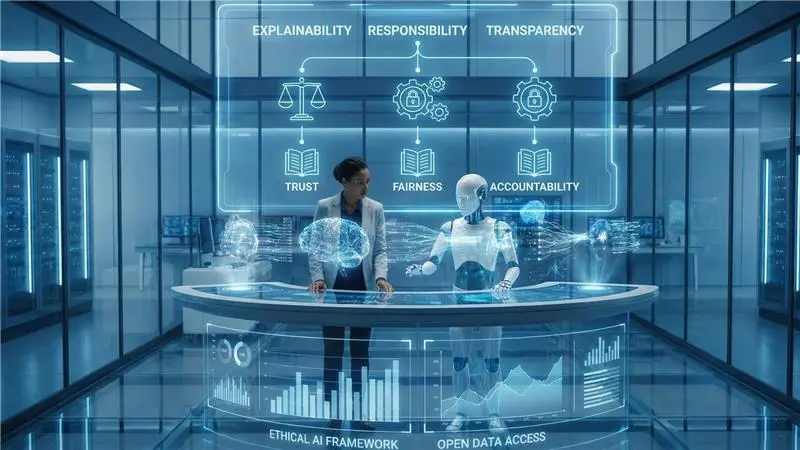
AI is becoming part of everyday business in the Nordics. Responsible AI means using it fairly, transparently and with clear human accountability.
Nordic businesses do not have an AI adoption problem. They have an AI value problem. Here is how to turn AI activity into measurable business results.
Technology is moving beyond tools that simply respond to users. The next generation of products will understand intent, adapt to context, and increasingly act on our behalf.
Your phone, your wearable and your home router all share one thing: the Internet of Things. Here is how IoT is transforming homes, healthcare and industry.
Working with Swedish clients on software projects has given me an opportunity to experience a different approach to collaboration, communication, and decision-making.
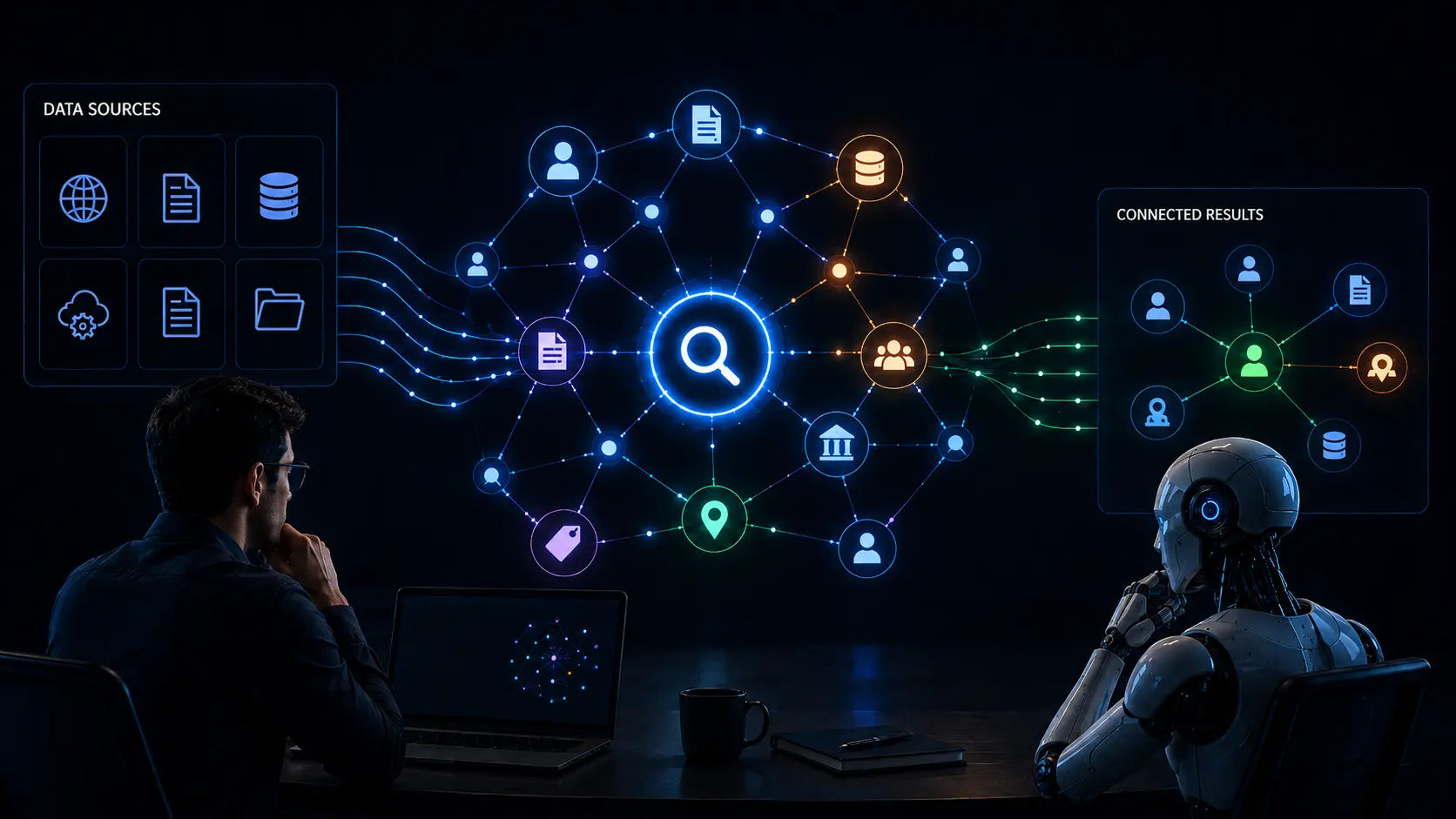
Most AI search tools today work the same way: turn your question into a vector, find the closest matching pieces of text, and hand them to a language model. This works well until your question depends on how things are connected. This is exactly the gap that graph databases and GraphRAG are built to close.
The rise of AI agents is changing software development — but faster code generation makes verification, testing, security, and human judgment more important than ever.
When a software product is launched, there is often a strong sense of achievement. But there is a common misconception that the difficult part is over. In reality, launching software is not the end of its lifecycle. It is the beginning of a new phase: maintenance.
A monolithic application is a system built and deployed as a single, unified codebase. This post looks at why teams move from one to the other, how that migration typically plays out, and what's genuinely good and genuinely painful about it.
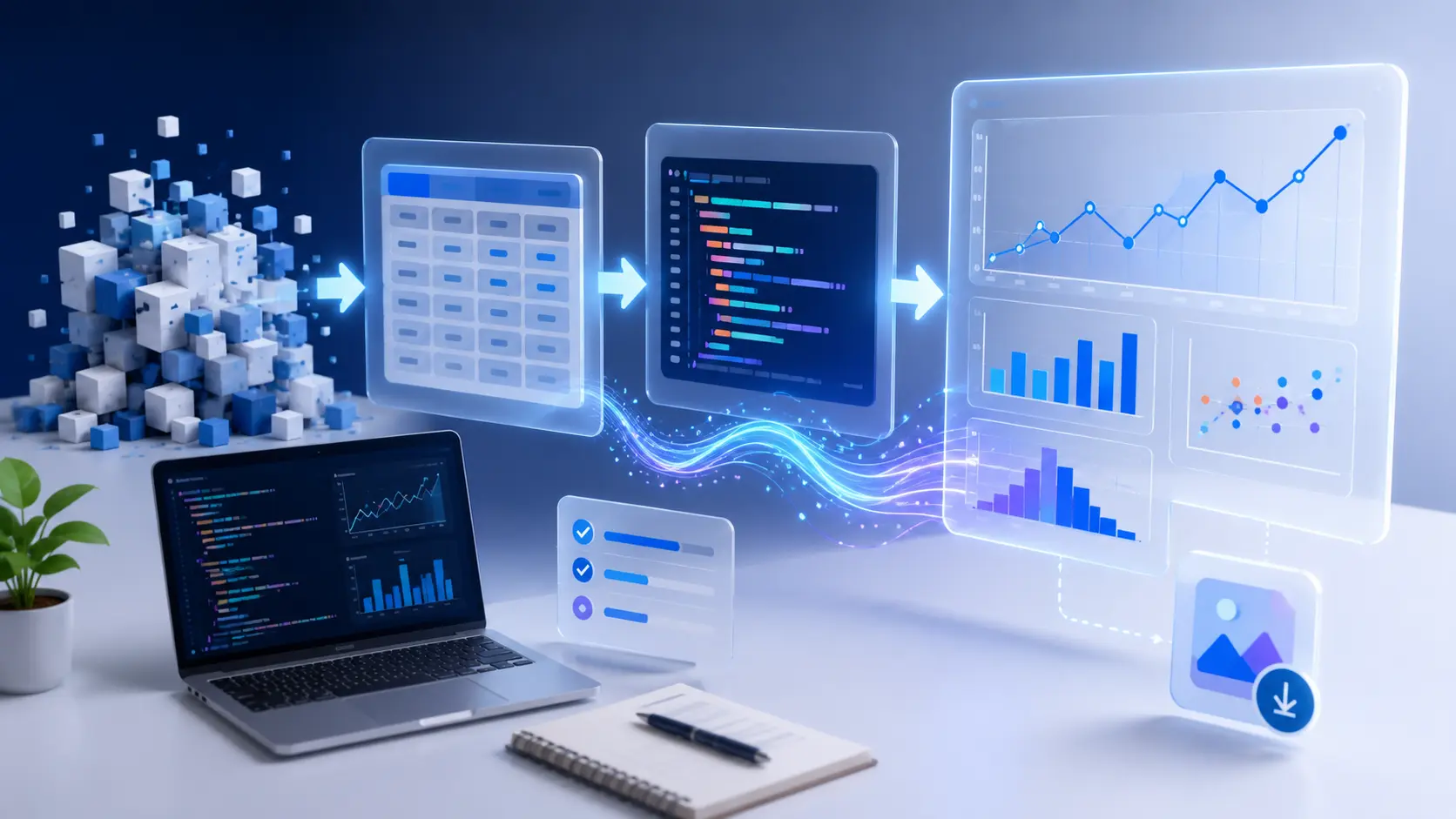
If you're working with data - whether it's experimental results, survey responses, or a dataset you scraped for a personal project - at some point you'll need to show, not just tell. A well-made chart can communicate a pattern in your data faster than a paragraph of prose ever could.
In today's world software needs to be built, tested, released and improved faster than ever. Businesses expect websites, mobile applications, and online services to work smoothly at all times. This is where DevOps becomes important.
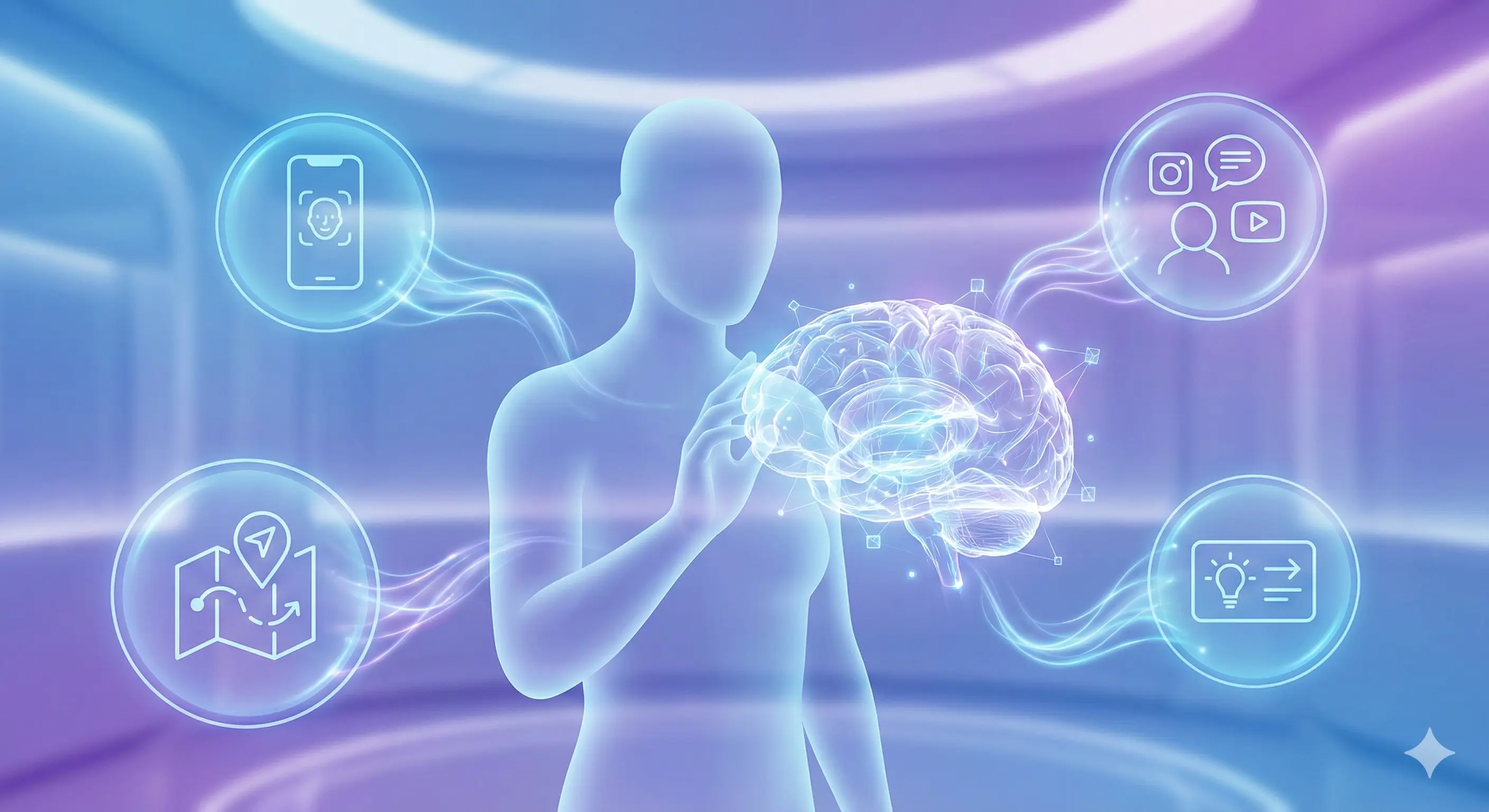
The future of UX may not be about designing better screens. It may be about designing experiences that understand people. As AI-powered products analyze patterns and understand context, they provide assistance based on individual behavior.
Data Science is one of the most in-demand career paths in the world. Data is used by organizations in various industries to make informed decisions, enhance customer experiences, optimize operations, and gain a competitive edge.
If you're starting a new project, this question comes up early: do you build one big application, or break it into a bunch of smaller, independent pieces? It's the classic monolith vs. microservices debate.
Every single decision a user makes — where to look, what to click, whether to trust a page, when to abandon a form — is shaped by deep cognitive shortcuts called biases. Learn how cognitive biases shape UI/UX design.
Search Engine Optimization (SEO) is no longer just about inserting keywords into a website. Modern SEO has evolved into a highly intelligent process driven by Artificial Intelligence, machine learning, automation, and user behavior analysis.
Artificial Intelligence isn't a single magic box—it's a collection of patterns, systems, and design choices. Over the past few years, two terms have taken center stage in every AI architecture conversation: Retrieval-Augmented Generation (RAG) and AI Agents.
Managing a single software project can be challenging on its own. When multiple projects run in parallel, the complexity increases significantly. Learn how to maintain control and deliver consistently.
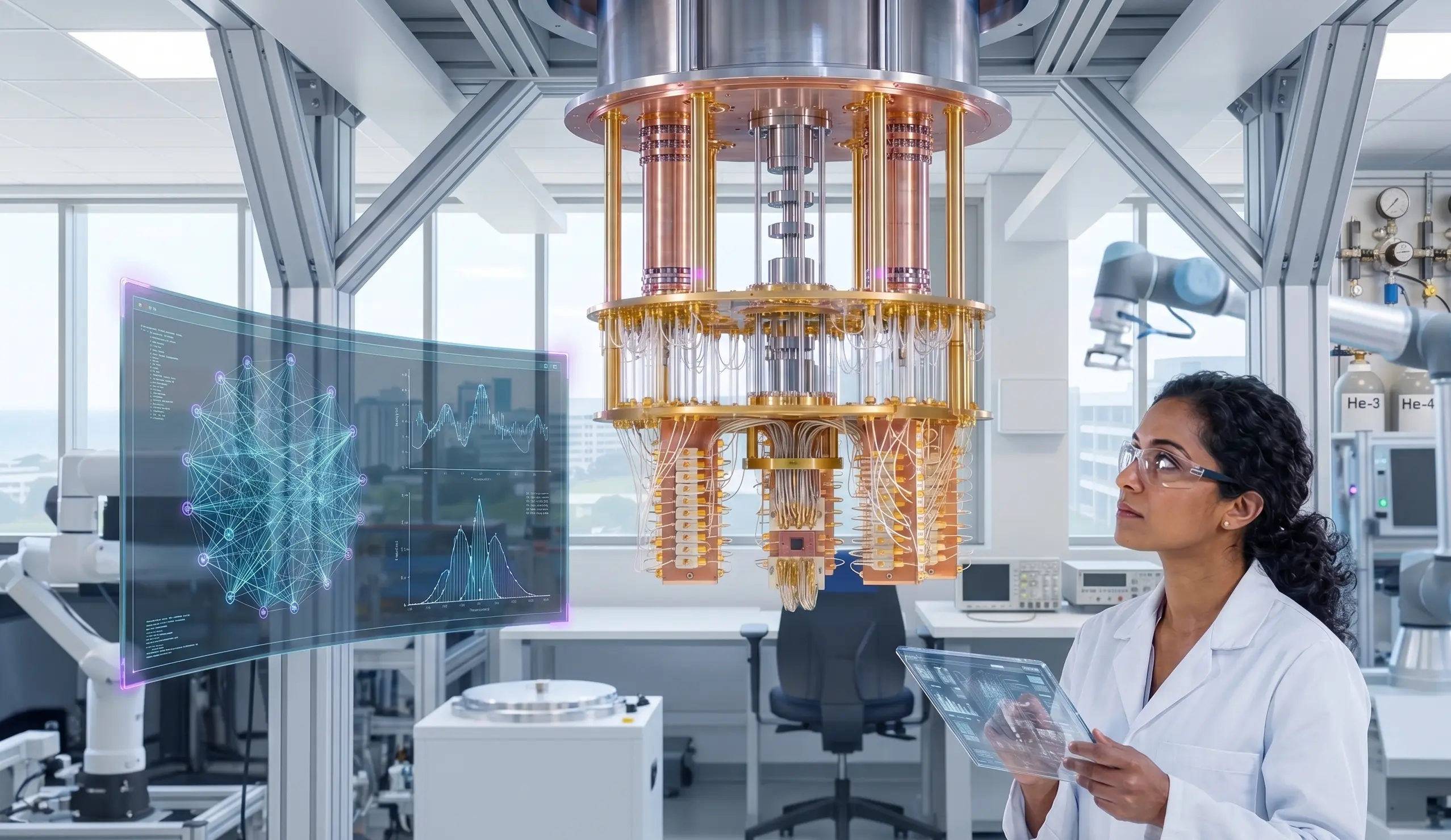
Quantum computing is one of the most exciting and rapidly evolving areas in modern science. It represents a major shift from traditional computing by leveraging the strange and powerful rules of quantum mechanics.
In today's digital world, networks are at the core of almost everything we do. Whether you are sending a message on WhatsApp, watching a video on YouTube, or connecting with someone on LinkedIn, you are interacting with a network.
In the world of IT project management, perfection is often seen as an ideal rather than a realistic outcome. Systems evolve, requirements shift, and unforeseen challenges emerge at every stage of delivery.
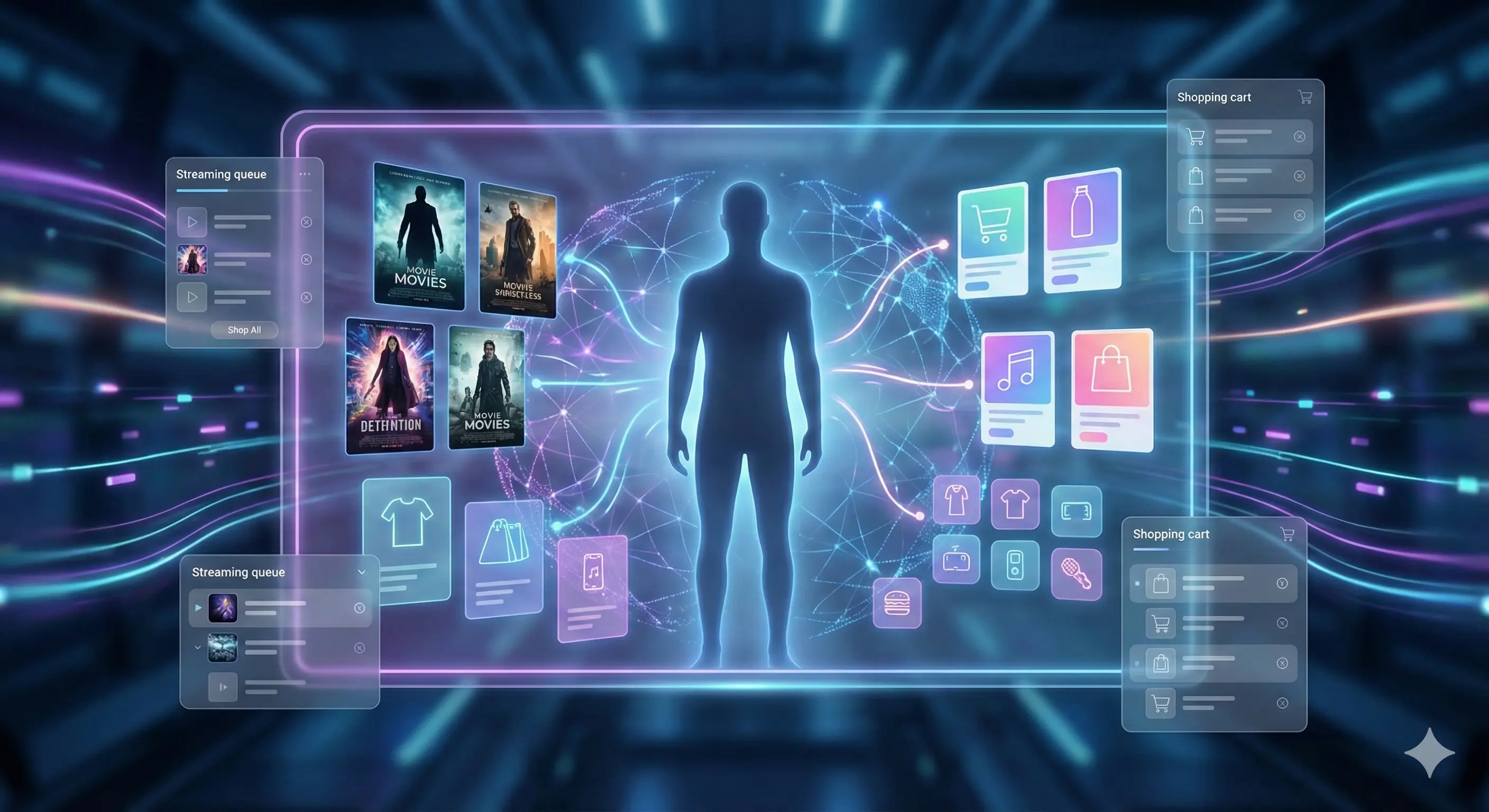
If you’ve ever opened Netflix and immediately found something you wanted to watch, you’ve experienced the power of recommendation systems in action. What may seem like a simple row of suggested shows is actually the result of complex algorithms designed to understand your preferences and predict what you might enjoy next.
Suppose you were going to translate a sentence out of English into French, and you could only read a word at a time and when you came to the next word you had to forget the one you had just come from. This was essentially the challenge facing AI language models before 2017.
Have you ever wondered how Netflix knows exactly what show you'll binge-watch next? Or how filters on TikTok and Snapchat can instantly lock onto your face and add bunny ears? It might feel like magic, but it’s actually Artificial Intelligence (AI).
The software development industry is experiencing a paradigm shift from manual, script-based processes to "AutoDevOps" and AI-driven intelligence. Automation is no longer a luxury but a necessity for release velocity and quality in 2026.
In the analog world, choice was limited. You watched what was on TV and bought what was in the store. The digital age flipped this dynamic. Suddenly, we moved from an economy of scarcity to an economy of infinite abundance. This explosion of choice created a new problem: Information Overload.
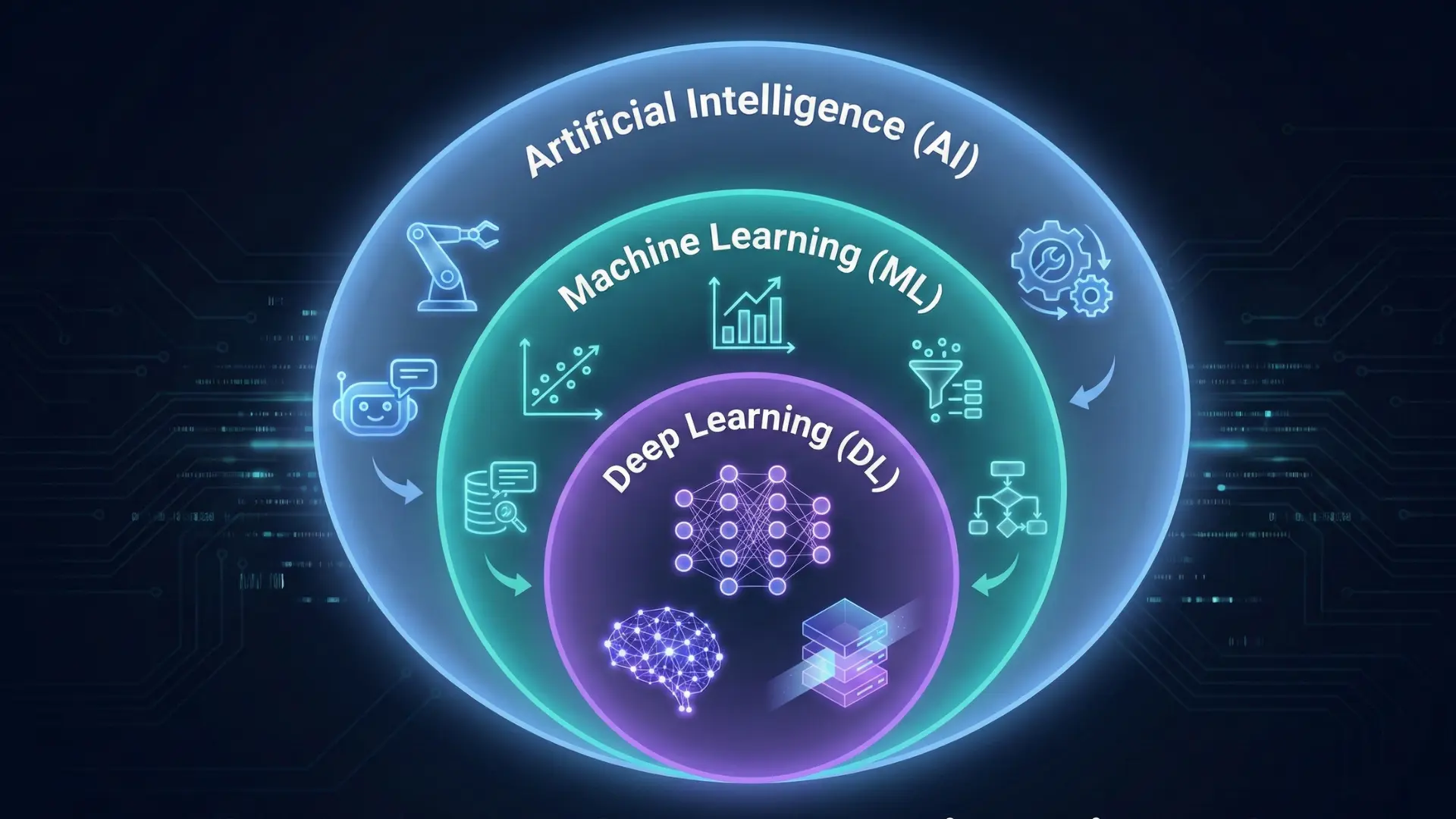
If you've ever been in the tech industry, then you've probably stumbled across the terms Artificial Intelligence, Machine Learning, and Deep Learning spoken about as if they were the same thing.
The emergence of Artificial Intelligence (AI) is quickly changing the lifestyle and working environment. AI models are becoming more and more involved in important spheres of society.
Data Science combines programming, machine learning, statistics, and visualization to extract insights from vast datasets, driving informed decisions and innovation across industries in 2025.
AI is transforming IT careers by automating repetitive tasks and creating demand for skills in AI collaboration, strategic thinking, and human-centric roles to stay competitive in 2025.
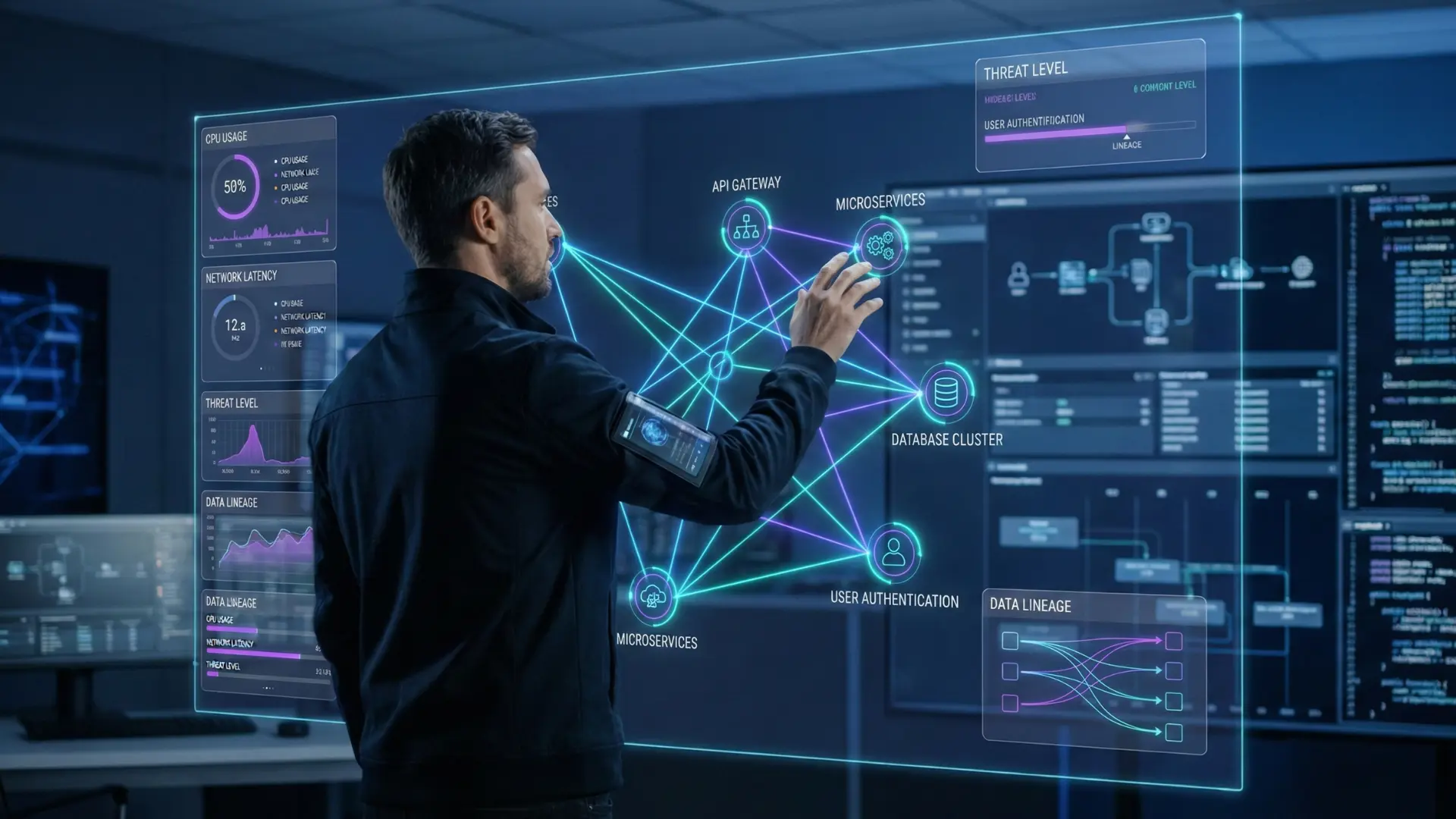
Discover how IT professionals use graph visualization to uncover data relationships, optimize system dependencies, and monitor network structures. Explore the best tools, frameworks, and best practices for graph visualization in modern IT environments.
Any individual who has attempted to run a heavy script or model-train on an ordinary laptop is aware of the pain.
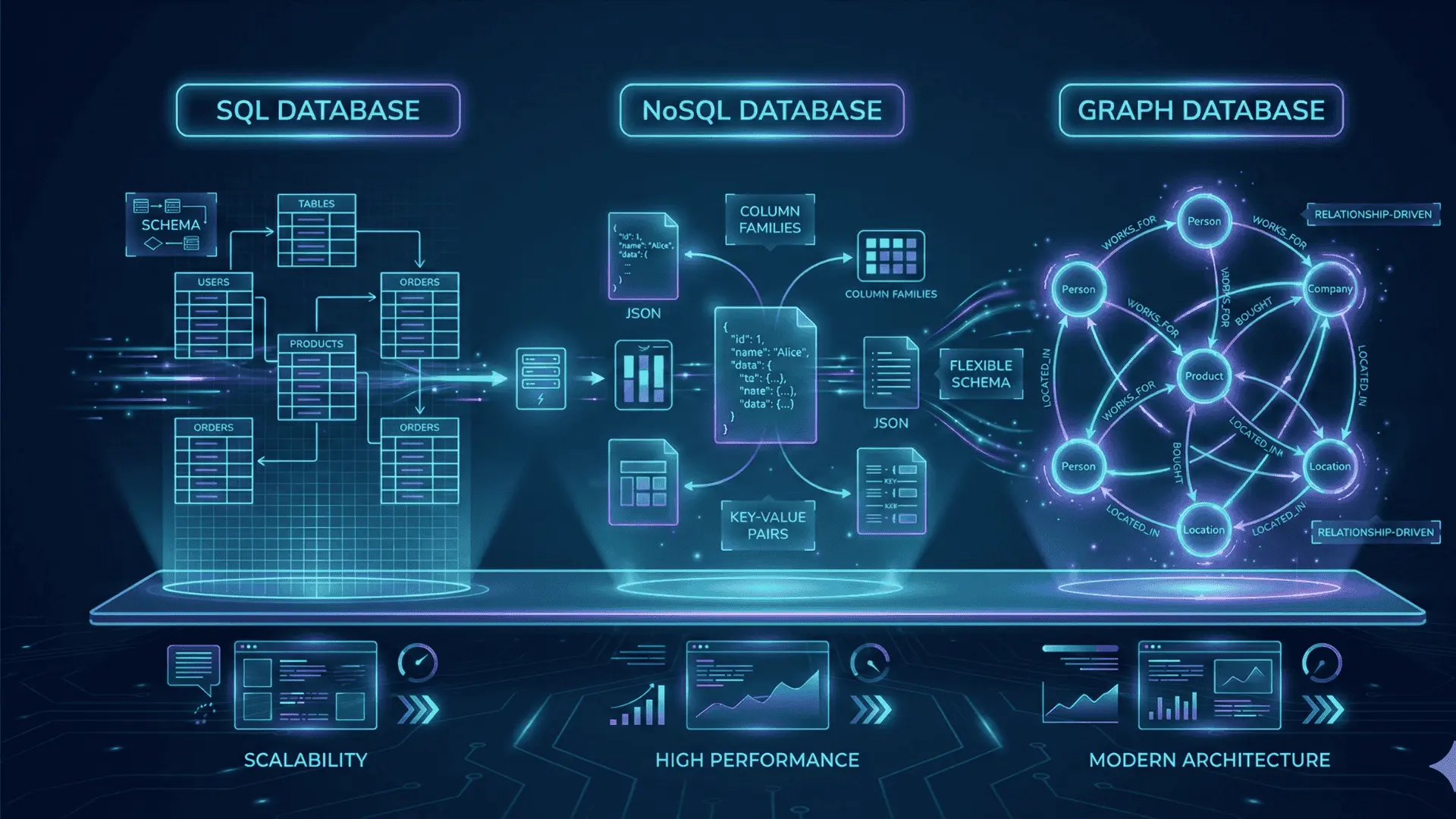
Selecting an appropriate database can be cover vital data architecture and crucial development decisions.
Machine learning (ML) is transforming the landscape of cancer research and treatment.
A smart move for the future
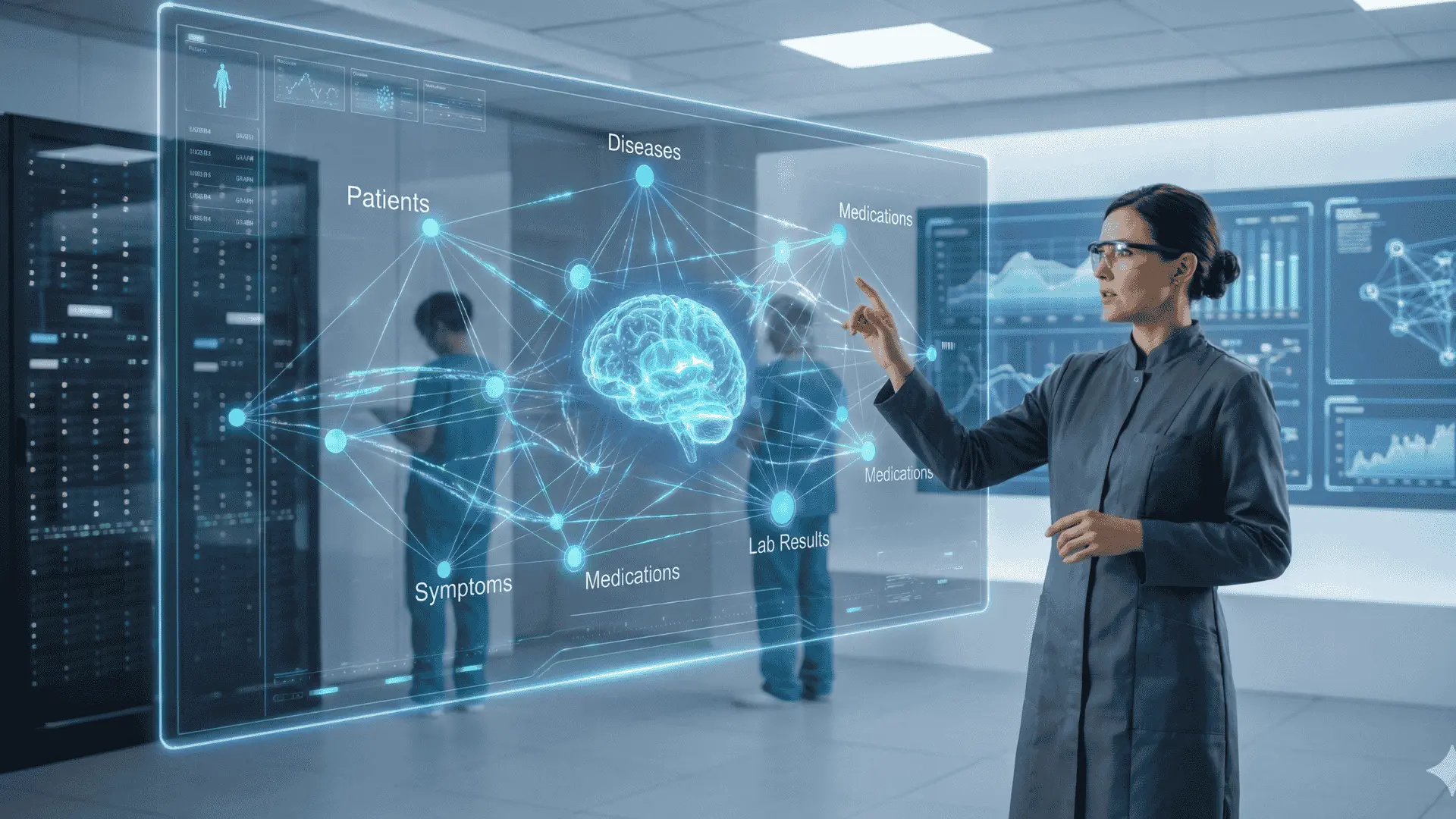
The need to have a multifaceted patient data quickly and precisely incorporated, as with modern healthcare analytics, has prompted the use of graph database technology, especially Neo4j and Memgraph.
AI-powered personalization is transforming customer experiences by delivering tailored recommendations, intelligent chatbot support, and predictive analytics, driving engagement and loyalty in 2025.